Serious incidents hardly ever give you much caution. In work environments around Noosa, the difference in between a scare and a catastrophe typically comes down to whether someone nearby has the best first aid skills and the self-confidence to utilize them.
Choosing a first aid course in Noosa for your group is not just a box to tick for compliance. The choice forms how your personnel will react in the very first couple of minutes of a medical emergency situation, long before paramedics can reach your website from Tewantin, Noosaville or beyond. For many years I have seen well trained teams handle seizures, heart attacks, beach-related injuries and severe allergies calmly and effectively, and I have likewise seen what happens when training is bad or out of date.
What follows is a practical guide, grounded in how emergency treatment training in Noosa actually works on the ground, to assist you choose the right course and provider for your workplace.
Why getting Noosa first aid training ideal truly matters
The Noosa area mixes office-based companies, hospitality, tourist, building, outdoor entertainment and marine activities. That mix brings a wide range of threats. A workplace near Noosa Junction deals with various risks to a browse school at Noosa Main Beach, or a café along Hastings Street, or a building website in Peregian Springs.
When something fails, the early reaction is formed by three things:
Whether the workplace has enough trained first aiders. Whether their abilities match the types of events likely at that site. Whether their training was recent, practical and provided properly.A quality Noosa emergency treatment course constructs real-world competence, not simply a certificate. Staff should leave emergency treatment and CPR courses in Noosa feeling that they might manage a heart attack, control extreme bleeding, manage an asthma attack or support a colleague with chest discomfort, not just recite theory.

If you are picking training for your work environment, your role is to connect your real threats with an emergency treatment course in Noosa that addresses them, provided by a service provider that understands both the nationwide standards and the regional context.
Knowing your obligations under Queensland work health and safety rules
Even if your main focus is "doing the best thing", you still require to satisfy legal requirements. In Queensland, office first aid requirements sit under the Work Health and Safety Act and Laws, supported by the Emergency treatment in the Work Environment Code of Practice.
The Code does not inform you to reserve a specific Noosa first aid course, but it does set expectations about:
- how lots of qualified very first aiders you need, based on headcount and threat level the type and quantity of first aid equipment access to emergency treatment spaces for higher risk or bigger workplaces the level of first aid training appropriate to the hazards.
For many low danger work environments, like little professional offices or retail spaces, the standard "Provide Emergency treatment" system (currently HLTAID011) plus regular CPR training in Noosa is generally appropriate. Higher risk settings, such as workshops, building, childcare or disability assistance, often require extra or enhanced training.
Insurers and major customers may enforce extra requirements. Some tender files, for instance, specify that workers should hold a present emergency treatment certificate in Noosa that includes CPR within the past 12 months, not simply the basic three year first aid refresher cycle.
Before you call a supplier, review:
- number of staff per site and per shift work patterns, consisting of nights and weekends where individuals work (office, street, water, automobiles, homes, building sites) presence of vulnerable populations such as kids, elderly or individuals with disability.
This fast danger picture will help you describe your requirements plainly when you talk about options for first aid training in Noosa.
Understanding the primary types of Noosa emergency treatment courses
Most reputable training suppliers in Noosa, consisting of brands like First Aid Pro Noosa and comparable signed up training organisations, structure their courses around nationally identified systems. Understanding the common course types will assist you match them to your needs.
Provide CPR (HLTAID009)
CPR training in Noosa focuses on cardiopulmonary resuscitation, use of an AED, and management of an unconscious casualty. It is normally a much shorter cpr course in Noosa, frequently completed in a couple of hours, and must be revitalized every 12 months to keep currency under the majority of workplace policies.
Businesses often run a cpr refresher course in Noosa yearly for their existing very first aiders, specifically in environments with higher cardiac risk or where emergency services gain access to can be delayed.
Provide First Aid (HLTAID011)
This is the most common Noosa emergency treatment course for offices. It integrates CPR plus a broad series of abilities:
- managing bleeding, burns, shock and fractures dealing with asthma, anaphylaxis, seizures and diabetes handling ecological injuries such as heat exhaustion.
Most offices that state they want "first aid and CPR Noosa" are effectively requesting HLTAID011, either as a public course or as group Noosa emergency treatment training on site. The first aid certificate in Noosa for this unit is usually considered legitimate for 3 years, with CPR revitalized yearly.
Childcare and education specific very first aid
If your organisation deals with kids, you will probably need the education and care particular first aid unit (presently HLTAID012). This Noosa first aid course develops on basic first aid with much deeper material around paediatric conditions, asthma, anaphylaxis and child particular scenarios.
Schools, early knowing centres, getaway care and some sporting clubs around Noosa normally demand this level for specific roles under nationwide guidelines for education and care services.
Remote or outdoor focused very first aid
Noosa's hinterland, tracks and water-based organizations face different challenges. If staff hang around far from quick ambulance gain access to, a standard Noosa emergency treatment course may not suffice. In those cases, remote or wilderness emergency treatment training becomes relevant, focusing on longer care times, improvised devices and environmental exposure.
If your individuals assist walkings near Noosa National forest, run eco-tours or deal with remote residential or commercial properties, raise this clearly when you speak to a company. Not every emergency treatment course in Noosa will be suitable.
Mapping training to your particular work environment risks
Not every office in Noosa needs the very same mix of emergency treatment and CPR courses. A reasonable method is to map your primary threat aspects, then examine whether proposed Noosa emergency treatment courses in fact cover them, rather of assuming a generic program is "close adequate".
Consider a few common regional examples.
A workplace based service near Noosa Civic may have a fairly low injury risk, but staff age, understood health conditions, and consumer interaction still matter. For numerous offices, a mix of Supply Emergency treatment and routine cpr courses in Noosa, held either on site or at a local training place, is sufficient. If you have personnel with severe allergies, go over inclusion of real life EpiPen practice and anaphylaxis scenarios.
A café or dining establishment on Hastings Street has higher risk of burns, cuts, slips and client medical emergency situations. In this case, you want a Noosa first aid course that gives a lot of hands-on time with injury management, burns treatment, choking and asthma, not just theory. It deserves asking whether the supplier can customize the useful situations around food service occurrences and peak service times.
Construction and trades around Noosa Heads or Cooroy deal with various top priorities once again: crush injuries, falls, electrical events and interaction with plant. For these workers, I search for first aid courses in Noosa that spend actual time on injury management, spinal care principles, safe scene management and coordination with emergency situation services in noisy or constrained sites.
For schools, browse lifesaving clubs and sporting organisations, paediatric emergencies, spine preventative measures in water, concussion and high exertion problems are common. Here, the combination of a correct emergency treatment and CPR course Noosa and specific surf or sports safety training is ideal.
A good service provider will ask about your operations in this level of information. If the conversation feels generic and they do not show interest in your actual dangers, that is a caution sign.
Key aspects to compare between Noosa emergency treatment courses
When you begin calling or emailing service providers of first aid training in Noosa, you will observe that costs, periods and formats vary. The least expensive course or the fastest session is hardly ever the very best option for workplace competence.
Here is a compact checklist of what to compare.
Accreditation and compliance
Validate the organisation is a signed up training organisation (RTO) with an existing RTO number, delivering nationally recognised systems such as HLTAID009 and HLTAID011. Ask how they keep content lined up with Australian Resuscitation Council (ARC) guidelines.
Trainer experience and local knowledge
Excellent fitness instructors usually have a background in emergency nursing, paramedicine, military medic work or comparable fields, integrated with genuine teaching experience. In Noosa specifically, it assists if they understand regional realities such as beach-related occurrences, heat, local ambulance response patterns and typical traveler injuries.
Training format and time commitment
Many companies provide blended first aid course Noosa options where theory is done online, followed by a shorter face to face useful session. Others run traditional full day courses. Choose based on your staff's knowing style and attention span. Online-heavy formats can save time, however just if personnel truly complete the pre-work.
Practical focus and equipment
Ask how much of the session is hands-on. Look for cpr courses Noosa that involve duplicated practice on adult and child manikins, AED trainers and realistic scenarios. For complete first aid Noosa courses, inspect whether they provide training EpiPens, asthma spacers, bandaging products and simulated wounds.
Assessment, assistance and documentation
Confirm the assessment techniques: composed quiz, spoken questioning, useful demonstration or a mix. Check how quickly they provide an emergency treatment certificate Noosa after successful completion, and in what format (electronic, paper, or both). For services, a supplier who can provide completion reports and pointer systems for expiries deserves extra.

Use this list as a prompt throughout your conversations, not as a type to tick blindly. The way a supplier responds will inform you as much as their real answers.
Choosing between public classes and onsite Noosa emergency treatment training
Most organisations in Noosa select between sending personnel to public classes and bringing a trainer on website. Both can work well; the ideal choice depends upon your situation.
Public Noosa emergency treatment courses generally operate on set dates at a training space in Noosaville, Noosa Junction or nearby suburbs. This works especially well for:
- small organizations that just require a couple of experienced people staff who missed the primary training window and require to capture up individuals who desire a first aid course in Noosa for personal factors, such as parenting, training or volunteering.
The strength of public courses is range: your staff satisfy individuals from other industries and see a range of perspectives. The drawback is less customizing to your specific threats and some loss of efficiency due to travel and fixed schedules.
Onsite Noosa emergency treatment training, where the trainer comes to your office, is ideal when:
- you have a group of staff needing the very same first aid and CPR course Noosa at once your work environment has unusual dangers that you want constructed into scenarios you want to stroll through actual reaction strategies in your physical space.
I have seen onsite training pay off when groups run drills in their genuine workplaces, warehouses or on boats at the marina, rehearsing how to call for aid, where to find the emergency treatment kit, and how to direct paramedics through confusing websites. It also makes it easier for supervisors to observe and support staff as they practise.
The cost difference between public and onsite courses is not constantly big when you factor in travel, downtime and scheduling. When comparing first aid courses in Noosa, ask companies to price quote both options.
Reading in between the lines when providers describe their courses
Marketing language around Noosa emergency treatment training can sound comparable initially glance. Every company declares to be thorough, useful and interesting. To identify genuine quality from buzzwords, listen for particular details.
When a supplier explains their cpr training Noosa, do they talk about compression depth, rate and real feedback gadgets, or simply state "hands-on practice"? For full Noosa emergency treatment courses, can they discuss how they change situations for hospitality versus construction versus childcare?
Ask for an overview of the day with approximate timings. Search for a structure that alternates theory with practice, not a long block of PowerPoint before a hurried practical at the end. Ask how they accommodate people with physical constraints who might have a hard time kneeling for extended CPR practice, or staff whose English is not strong.
The best fitness instructors will be happy to discuss how they manage anxious individuals, individuals who have formerly experienced injury, or personnel who are initially sceptical about the worth of emergency treatment training in Noosa. They will emphasise building self-confidence as much as covering content.
How often needs to your team do emergency treatment and CPR in Noosa?
There is frequently confusion about refresher cycles. The general pattern in Australia is:
- CPR (HLTAID009): refresh every 12 months. Provide Emergency treatment (HLTAID011): complete renewal every 3 years, with CPR refreshed annually. Childcare particular first aid (HLTAID012): also typically renewed every 3 years, with yearly CPR.
Many work environments turn this into an easy rule: anyone noted as a designated first aider finishes a first aid and CPR course Noosa initially, then attends a cpr refresher course Noosa every year and a full Noosa emergency treatment course once again every 3rd year.
Some greater threat industries, or organisations with stringent client requirements, shorten these cycles or run additional circumstance sessions in between. I strongly recommend more regular practice if your personnel rarely use their abilities in real occurrences. Even 2 short CPR refreshers in a year can make a huge difference to retention.
If you alter your operations considerably, for example adding remote work, heavy plant or a great deal of public interaction, treat that as a trigger to review whether your current first aid courses Noosa are still the right fit.
Questions to ask before you schedule a Noosa first aid course
By the time you reach the point of choosing a supplier, you should have a rough sense of your dangers, your numbers and your preferred format. A brief, focused discussion will generally clarify the rest.
Here are useful questions that tend to separate strong suppliers from typical ones:
Which nationally acknowledged systems are included, and are they current?
Have them specify unit codes such as HLTAID009, HLTAID011 or HLTAID012. Check that the Noosa emergency treatment course they propose matches what your market guidelines expect.
How many participants per trainer, and what equipment ratio do you use?
Crowded classes with too few manikins or EpiPen trainers cause shallow skills. Smaller group sizes, or a minimum of adequate devices, deserve paying for.
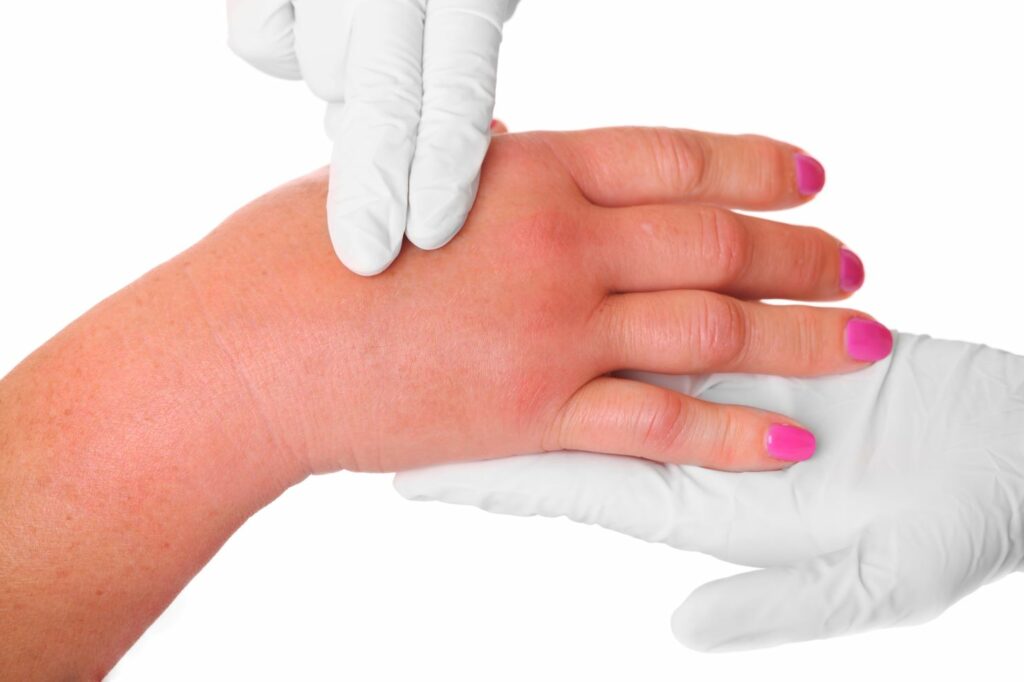
Can you customize scenarios or emphasis to our kind of work?
Explain 2 or 3 most likely occurrences for your workplace and see how the trainer would integrate them. If they struggle to adapt, think about that a warning sign.
What is included in the cost, and are there any extra costs?
Clarify venue hire, travel within the Noosa location, certificates, online knowing access and any rebooking or late change fees. Inexpensive quotes sometimes conceal add-ons.
How do you support us after the course?
Good providers offer things like pointer e-mails before certificates expire, posters, incident report design templates, or quick refresher product. This matters in maintaining a strong first aid culture, not just issuing a piece of paper.
These concerns are as much about hearing the company's attitude as collecting realities. If they respond clearly, without jargon, and seem really thinking about your needs, that is a positive sign.
Steps to roll out efficient first aid training in your Noosa workplace
Once you have chosen a suitable Noosa emergency treatment training service first aid Noosa provider, take a bit of extra time to execute the program correctly. That method, the financial investment develops into genuine ability rather than a folder of certificates.
Map functions to training requirements
Choose which positions should hold a complete Noosa first aid certificate, who needs just CPR Noosa, and where backup first aiders are required to cover leave and different shifts. Document these expectations in position descriptions or security procedures.
Schedule with real operations in mind
Prevent running all first aid and CPR courses Noosa on the exact same day if that would leave you except protection. Stagger sessions throughout dates or times so you still have some experienced individuals on responsibility while others attend.
Prepare personnel before the course
Let individuals know why they are attending, how it relates to actual events you have seen, and what you anticipate later on. Motivate them to finish any online pre-work for blended Noosa emergency treatment courses well before the useful session.
Follow up immediately after training
In the week after the course, walk through your emergency treatment sets, AED locations and emergency situation procedures with recently trained staff. Ask what felt clear and what they still feel not sure about. This debrief consolidates understanding while it is fresh.
Build a simple tracking and refresher plan
Use a spreadsheet, HR system or safety software application to record who holds which level of emergency treatment certificate Noosa, and their expiration dates. Set up annual cpr courses Noosa and three-yearly full emergency treatment courses well beforehand so you are not scrambling when a certificate lapses.
Done properly, this approach implies emergency treatment becomes a living part of how your workplace runs, not a forgotten line in an induction checklist.
Bringing it all together for your Noosa workplace
Choosing the best first aid course Noosa is less about selecting a brand and more about thoughtful alignment. You are trying to find an RTO that:
- delivers acknowledged emergency treatment and cpr training Noosa that matches your hazards uses experienced fitness instructors who understand regional conditions provides enough hands-on practice to develop genuine skill issues clear, timely paperwork and supports your continuous program.
Tie that to a basic internal system that monitors who is trained, when refreshers are due, and how first aid suits your broader security planning.
The next time someone in your group grabs an EpiPen in a coffee shop, starts CPR on a colleague in a storage facility, or manages a heat-exhausted tourist outside your shop, the quality of the Noosa first aid course you selected will matter. Thoughtful decisions today can form those crucial first minutes tomorrow.
Nationally Recognised First Aid Courses Noosa Locals Trust! First Aid Pro is one of Noosa’s leading providers of accredited CPR and first aid courses. Established in 2010, our nationally registered training organisation (RTO) has equipped over 3 million Australians with essential life-saving skills through our experienced team of 110+ expert trainers. Conveniently servicing Noosa and the Sunshine Coast region, we provide top-quality, nationally accredited CPR and first aid training sessions tailored to your needs, whether for workplace requirements, career advancement, or personal safety. From childcare-specific first aid training to advanced first aid and resuscitation courses, we’ve got you covered. First Aid Pro – First Aid Course Noosa Noosa Conference Centre 73 Hilton Terrace Noosaville QLD 4566 Australia Phone: (08) 7120 2570 Secure your Noosa first aid course or CPR training with us and build the confidence to handle emergencies with a trusted Noosa first aid provider. Take the first step towards becoming a skilled and capable first aider with First Aid Pro Noosa today.
Location & Venue Details Our First Aid Pro Noosa courses are held at Noosa Conference Centre, 73 Hilton Terrace, Noosaville QLD 4566, conveniently located in the heart of Noosaville. This modern and well-equipped venue provides a professional and comfortable training environment ideal for first aid, CPR, and childcare first aid courses. It’s the perfect location for participants travelling from Noosaville, Noosa Heads, Tewantin, Sunrise Beach, and surrounding Sunshine Coast suburbs. Situated close to the Noosa River, the venue is near popular local landmarks including Noosa Marina, Noosa Civic Shopping Centre, Noosa National Park, and Hastings Street. The surrounding area offers a variety of cafés, restaurants, and takeaway outlets—perfect for enjoying lunch or coffee before or after your course. With easy access to Noosa Main Beach and nearby riverside parks, it’s also a great place to relax before or after your training. Training is conducted in spacious, air-conditioned rooms within Noosa Conference Centre, equipped with high-quality first aid and CPR training equipment and comfortable seating. The venue provides convenient onsite parking and nearby street parking for participants attending the course. The site is fully accessible, offering step-free entry and accessible restroom facilities, ensuring a smooth and inclusive training experience for all learners.